Essential Fireworks Photography Tips for Stunning Nighttime Shots
Capturing fireworks in all their glory is a rewarding challenge for photographers. The bright bursts against the dark sky create dramatic images, but getting the perfect shot requires more than just pointing your camera upward. To help you take stunning nighttime photos of fireworks, this guide covers everything from preparation to camera settings and gear. Follow these practical tips to improve your chances of capturing breathtaking fireworks images.

Arrive Early and Choose Your Spot Carefully
One of the most important steps in fireworks photography is arriving early. Getting to your location well before the show starts allows you to:
Set up your camera and tripod without rushing
Find a clear, unobstructed view of the fireworks
Avoid crowds that might bump your equipment or block your line of sight
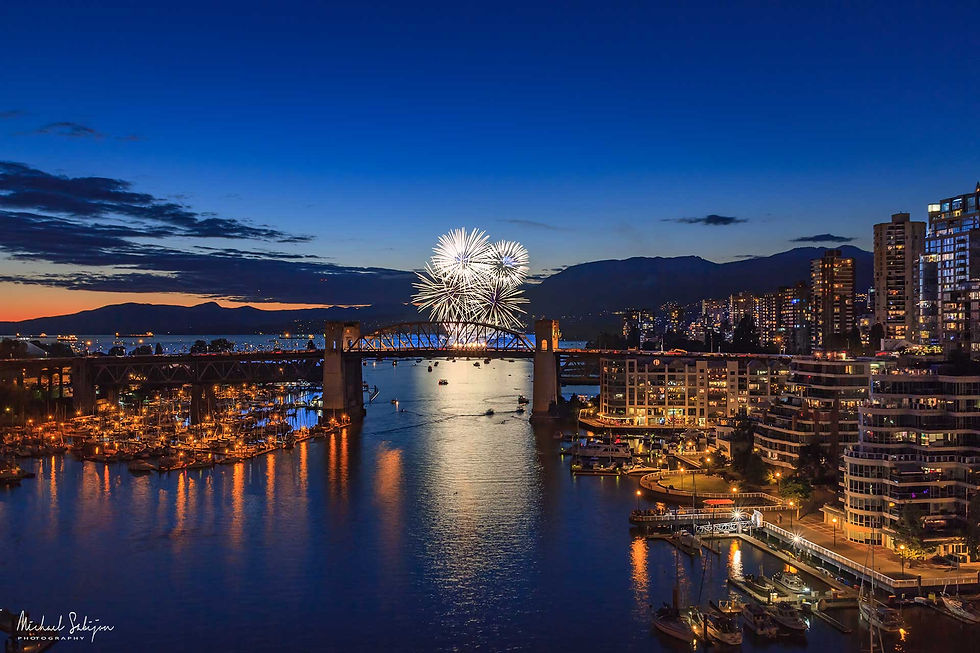
Look for a spot that offers a wide view of the sky where the fireworks will explode. If possible, position yourself on higher ground. This vantage point not only gives you a better perspective but also lets you include interesting foreground elements like buildings, trees, or water reflections. These elements add depth and context to your photos, making them more engaging.
Avoid areas with heavy foot traffic to reduce the risk of accidental camera shakes. Remember, you will be using long exposures, so even slight movement can blur your images.

Use the Right Gear for Stability and Control
Fireworks photography demands stability and precise timing. Here’s what you need:
Camera: A DSLR or mirrorless camera with manual controls works best.
Sturdy tripod: Essential to keep your camera steady during long exposures.
Remote shutter release or wireless trigger: Helps avoid camera shake when pressing the shutter button. Using your camera’s self-timer can work but is less reliable for timing fireworks bursts.
Long exposures drain your battery faster, so bring a fully charged spare battery or two. Also, make sure you have enough storage space. Fireworks shows typically last 20 to 30 minutes, and a 16GB memory card is usually sufficient, but having a backup card is a good precaution.

Set Your Camera for Long Exposure Fireworks Shots
Getting the right camera settings is key to capturing sharp, vibrant fireworks photos.
ISO: Use a low ISO setting, usually between 100 and 160. This reduces noise and keeps your images clean.
Aperture: Choose a narrow aperture, around f/8 to f/16. Fireworks are bright, so a smaller aperture helps avoid overexposure and keeps more of the scene in focus.
Shutter speed: Use long exposures, typically between 2 and 10 seconds. This allows the camera to capture the full burst and trails of the fireworks. I usually just set my camera to Bulb mode and control shutter using the remote trigger
Focus: Set your lens to manual focus and pre-focus on a distant point where the fireworks will explode. In most fireworks shows, there is a test shot they do a few minutes before the show begins. Use that as reference to set your focal point. Autofocus often struggles in low light and can miss the shot.
Many cameras have a Long Exposure Noise Reduction feature. It helps reduce noise but doubles the time between shots because the camera processes the image after each exposure. This delay might cause you to miss some bursts, so test this setting before the event to see if it suits your shooting style.
Timing Your Shots for Maximum Impact
Fireworks bursts happen quickly and unpredictably. Timing your shots well improves your chances of capturing spectacular images.
Press the shutter just as you see the firework launch or hear the launch sound.
Keep the shutter open long enough to capture the full explosion and trailing sparks.
Use your remote trigger to take multiple shots in succession, increasing your chances of getting the perfect burst.
Practice helps. If you can attend smaller fireworks events before big shows, use them as opportunities to refine your timing and settings.
Compose Your Shots with Foreground and Background
Including foreground elements adds interest and scale to your fireworks photos. Look for:
City skylines or landmarks
Reflections on water surfaces
Silhouettes of trees or people watching the show
Try to frame your shot so the fireworks fill a good portion of the frame but leave space for these elements. This balance creates images that tell a story rather than just showing isolated bursts.


Review and Adjust During the Show
Don’t just set your camera and forget it. Check your shots periodically on the camera’s LCD screen to:
Confirm exposure and focus are correct
Adjust shutter speed or aperture if images are too bright or dark
Change composition if needed
Fireworks shows often have different types of bursts and colors, so adapting your settings can help capture the variety.

Capturing stunning fireworks photos takes preparation, the right gear, and practice. Arrive early to secure a good spot, use a tripod and remote trigger for stability, and set your camera for low ISO and long exposures. Timing your shots and including foreground elements will make your images stand out. With these tips, you’ll be ready to create memorable nighttime photos that showcase the magic of fireworks.
Check out more photos from the Celebration of Light Festival in Vancouver.


Comments